
Culture – Parents – Child
A child’s personality (and later every adult’s personality) is shaped through a process of adaptation between the child and their parents. However, both parties also live within a culture to which the parents are adapting to (as children do not yet understand culture and need a few years to do so).
– Why does your culture play an important role?
In Asian, African and South American cultures, society does not view the individual or the person as an independent entity, as is the case in individualistic cultures in the North-West (Western Europe, North America, Australia and New Zealand), but rather as part of a group (particularly parents, siblings and the extended family. In academic terms, this group is often referred to as the ‘we-group’).
What an individual does, how they behave, their achievements in life, their competencies and skills, and even any deviations from social norms they may exhibit—all of this leads to a ‘social’ assessment not only of the individual themselves, but of the entire group to which they belong, the ‘We-Group’.
In such collectivist cultures, the individual and their group not only receive a great deal of praise, appreciation, affirmation and prestige (for example, at a wedding attended by many people), and widespread support from society (for instance, in the event of death or illness), if they live up to the culture’s ideals (for example, being a doctor or a lawyer, or being wealthy, well-known and famous, or being respectable and well-mannered); rather, their value and that of their group are also significantly diminished if they fail to live up to these ideals, or violate certain norms and values (shame).
Other living conditions also play an important role in this regard, such as poverty, war, a hostile environment, injustice, discrimination and the like.
– Different personality development:
These characteristics and circumstances mean that most people there remain dependent on their parents and their community throughout their lives, or are expected to do so.
Consequently, their personality is formed, developed, organised and structured psychologically in a way that differs from that of people belonging to individualistic cultures in the north-western world, from which most therapeutic approaches originate.
– Psychodynamic psychotherapy aims to help people understand their conflicts, challenges, feelings, desires, fantasies and the like by becoming aware of the unconscious elements of their personality. In our experience, people from collectivist cultures exhibit psychological dynamics that differ from those recognised in Western psychotherapeutic approaches.
Therefore, one cannot simply adopt ‘Western’ approaches and apply them to people from other cultures. This is why the new approaches we propose and use in our treatment are important.
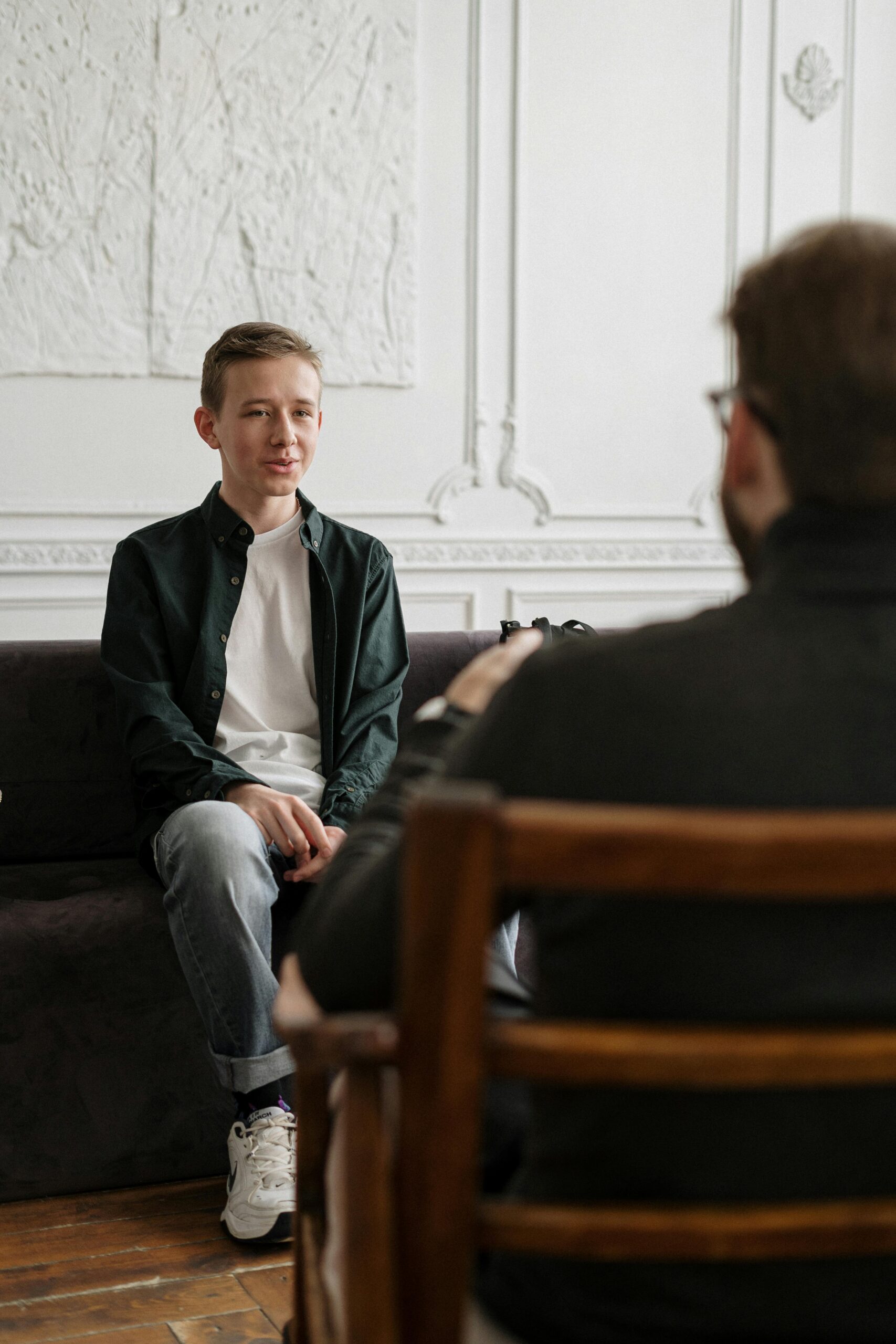
Supervision for Culturally sensitive Psychotherapy
If you work with clients from collectivist cultures, I offer supervision to deepen your understanding and enhance your therapeutic skills from a culturally sensitive, psychoanalytic perspective. Sessions support professionals working with both youth and adults.
Flexible Supervision Options
Supervision is available online and in person. Individual and small-group formats are possible, depending on your preferences and availability.
How to Request Supervision
To request supervision, please email with the subject “Contact for Individual Supervision.” I will respond personally. Please include your contact details to coordinate a suitable appointment time.
 English
  العربية