About us
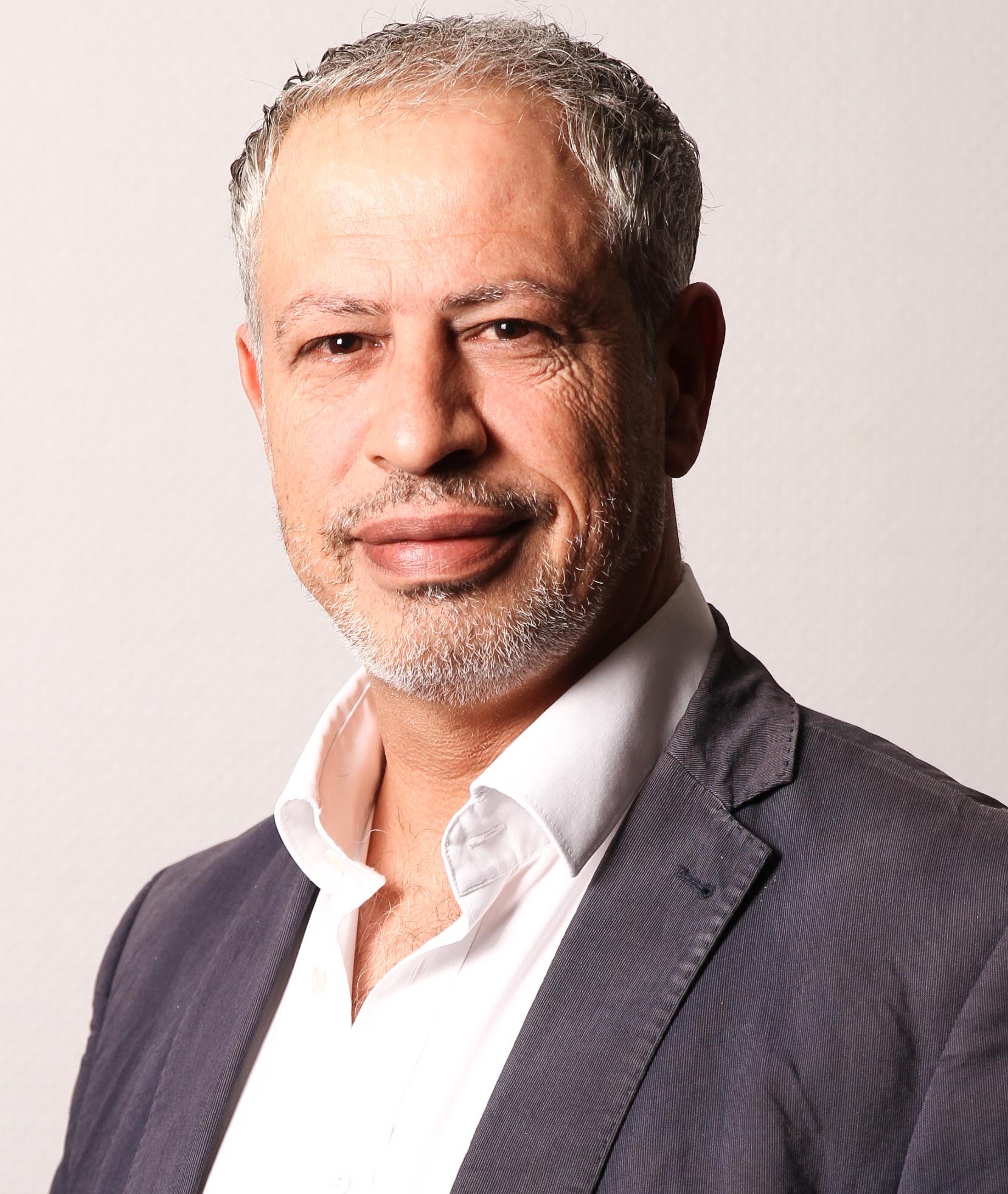
For over 30 years, Dr. Adel Yusuf has been treating children, adolescents and adults with mental health disorders in Arab and collectivist cultures (Asian, African and South American) and in Germany. Many of his patients are migrants from collectivist cultural backgrounds who now live in an individualistic culture. He has extensive knowledge and experience of both collectivist and individualistic cultures.
The question that has always accompanied him in this regard was, and remains:
‘How can people in, or from, collectivist cultures – for whom the “ideal and natural” development of their personality involves remaining dependent on their families throughout their lives – cope with the same challenges and conflicts faced by people in individualistic cultures, where independence from the family and the social environment is considered the “ideal and natural” goal of development?‘
The differences in self development and in the norms, values and ideals within these two cultural spheres are comprehensive and far reaching. To answer this question, Dr. Yusuff draws on numerous studies derived from a variety of psychoanalytic concepts and theories, thereby presenting a new approach to understanding the self and its development—or rather, to understanding personality development in collectivist cultures and the resulting psychological disturbances in such cultures.
This new approach is not limited to addressing the specific personal development of individuals within collectivist cultures; it also seeks to provide a dynamic psychological approach that takes cultural specificities into account, with the aim of raising awareness amongst individuals belonging to these cultures, particularly professionals such as psychologists, psychiatrists and psychotherapists.
This approach helps professionals and experts (psychologists, psychotherapists, psychiatrists, social workers and others) working in the field of mental health to better support their patients during treatment and help them alleviate or overcome their suffering.
Dr. Adel Yusuf’s academic and professional background:
Following his undergraduate studies in ‘Art Therapy’ at the University of Cologne in Germany, Adel Yusuf went on to obtain a PhD on the topic of ‘Personality and Culture and Their Manifestations in Children’s Drawings’.
This comprehensive thesis drew on a wide range of studies and research in the field of ‘cross cultural studies’, and compared cultural, personality and behavioural traits in individualistic cultures (Europe, North America, Australia and New Zealand) and collectivistic cultures (Asia, Africa and South America), presenting important findings that take cultural differences into account.
After obtaining his PhD, he trained as a psychodynamic psychotherapist at one of the leading institutes in the field of psychoanalytic and psychodynamic therapy, and has since been working in his own practice under contract with the ‘Association of Doctors Contracted to Health Insurance’ in the state of North Rhine-Westphalia.
Professional experience:
During his 13 years’ work in Arab cultures following the completion of his first university degree, he realised that most Western psychotherapeutic approaches are unsuitable for people in collectivist cultures and contain numerous shortcomings and flaws. This is because these approaches are specifically designed for people in the cultures in which they were developed, namely individualistic cultures.
Cross cultural comparative studies (his doctoral thesis) clearly show that the ideal and ‘natural’ development of individuals in collectivist cultures involves individuals remaining dependent and closely attached throughout their lives to their families and other significant others, and that it is socially expected of them to accept this dependence. In these cultures, processes such as separation, individuation, differentiation from parents, and the formation of an independent personality do not feature prominently among the conflicts that must be resolved in the relationship between children and their parents, who are seen as representatives of their own cultures.
Dr. Yusuf was deeply interested in understanding these cultural circumstances or challenges and exploring how the self copes with them. His training as a dynamic psychotherapist provided him with insight into human personality and development.
He concluded that in such collectivist and Arab cultures, people live in a society that reserves the right to judge its members and their behaviour, as well as the behaviour of those associated with them.
This means that the image of the individual in these cultures is a collective one, since the behaviour of any individual within the ‘we-group’ has social consequences for the entire group.
For this reason, Dr. Yusuf believes that the primary task for children in such cultures is to preserve or enhance the reputation of their ‘parents/family’, as well as their respect, status, esteem and ‘value’ within society.
Psychoanalytic theories open the door to accessing and exploring the unconscious, thereby enabling us to uncover the processes by which a child adapts to their environment, as well as the defence and compensation mechanisms they use to overcome conflicts. They also provide numerous techniques and methods for understanding the dynamics underlying the development of mental disorders and their treatment.
These findings also imply that the treatment of people from collectivist cultures requires techniques, frameworks, requirements and objectives that differ from those used in treating people from individualistic cultures. Mental disorders and the way in which traumatic experiences are dealt with also vary considerably across cultures.
For example: in collectivist cultures, the social group evaluates the behaviour of its members and threatens them with collective embarrassment or punishment; yet, on the other hand, it also provides them with comprehensive measures to achieve stability and inner balance (generosity, praise, care), as well as support in the event that their self-esteem or self-worth is undermined.
Therefore, applying Western psychoanalytic approaches to people from collectivist cultures is risky, limited, inappropriate and incomplete unless they are ‘adapted’, particularly if the existence of a different model of ‘healthy and natural development’ for human beings across the world is not recognised.

Publications:
- 03/2017
‘Raising Children in Arab and German Cultures’, in: Analytical Psychology; Journal of Psychotherapy and Psychoanalysis; Issue 187.1/2017, Volume 48; Brandeis and Absel - 2014
Contradictory Upbringing – Why Parents Encourage Their Children So Much, Yet They Do Not Become Truly Independent and Free-Willed, BoD, Nordstadt, Germany. - 2011
‘Children’s Drawings as an Expression of Cultural Values’, Süddeutscher Verlag für Hochschulschriften, Saarbrücken, Germany. - 2010
Children’s Drawings, Comparative Psychology, and Comparative Research on Children’s Drawings, Hogrefe Publishers: Music, Dance and Art Therapy, Issue 4/10, pp. 189–204 - 2006
Student thesis: ‘The Development, Interpretation and Handling of Children’s Drawings’, in Arabic - 2005
‘The Development of Children’s Drawing’; Darona – Journal of the Arab Academic College in Haifa, Israel, Issue 38, pp. 68–81 - 2001
‘Development Trajectories and Characteristics of Palestinian Children’s Drawings’, in: H. G. Richter (ed.): ‘Children’s Drawings from a Multicultural Perspective’, Germany, pp. 243–269
 English
  العربية